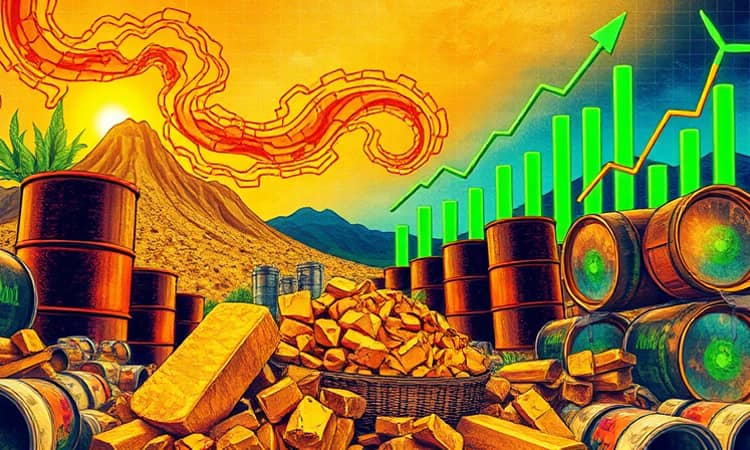
As we stand at the threshold of 2026, the global commodity landscape presents an unprecedented confluence of challenges and opportunities. From the urgent call of the energy transition to the age-old allure of precious metals, investors are poised to navigate a terrain shaped by both innovation and tradition. This article offers a strategic roadmap to identify, evaluate, and capitalize on the raw material trends set to define the coming year.
Understanding the 2026 Commodity Landscape
Broad markets are entering 2026 with an undercurrent of optimism, driven by structural shifts like the energy transition and supported by projected Fed rate cuts. While price volatility may persist, the longer-term trajectory for many commodities suggests resilience, powered by healthy global GDP growth and persistent supply-demand imbalances.
Key factors to watch include geopolitical tensions, regional trade barriers, and weather-related disruptions. Together, these risks underscore the importance of a diversified commodity strategy that can withstand sudden market shocks.
- Sturdy global GDP growth underpinning demand expansion
- Fed rate cuts (50bp expected) easing financing costs
- Accelerating clean energy investments reshaping demand
- Supply constraints and surpluses creating price anomalies
Energy Commodities: Navigating the Transition
The energy sector in 2026 is characterized by abundant supply in traditional fuels, yet transformation dynamics reveal lucrative niches. Crude oil remains overstocked, with a global surplus of roughly one million barrels per day, keeping Brent crude near $62 per barrel on average. However, growing EV adoption and strategic OPEC+ cuts hint at a potential H2 recovery.
Natural gas markets will see new LNG capacity flood the market—nearly 29 million metric tons—driving down timespreads. Meanwhile, the nuclear fuel complex shines as a beacon of upside: uranium prices could climb toward $100 per pound by year-end, buoyed by robust demand from electric vehicles and the expansion of nuclear capacity.
- Oil: Modest price floor, potential mid-year rally
- Natural Gas/LNG: Surplus-driven price moderation
- Uranium: Bullish trajectory amid nuclear expansion
Metals and Industrial Commodities: The Green Wave
As the world races toward decarbonization, metals integral to electrification are thrust into the spotlight. Copper markets are projected to swing into a one-million-ton deficit, with prices holding near $11,000 per tonne. Supply bottlenecks and permitting delays only reinforce the metal’s appeal.
Aluminum, lithium, nickel and cobalt follow a similar script: constrained output meets surging demand for batteries, grid upgrades, and lightweight materials. For investors, this translates into a strategic window to tap into accelerating clean energy investments and harness the transformative power of raw materials that underpin modern infrastructure.
Agricultural Commodities: Stability Meets Demand
The agricultural sector appears more stable after early-decade upheavals. Abundant harvests and robust inventories have softened grain prices, yet rising global populations and dietary shifts sustain a firm demand floor. Biofuel mandates and novel uses for plant-based proteins add incremental upside.
While weather-related supply shocks can still surface, the broader trend favors a balanced outlook—ideal for investors seeking both defensive and growth-oriented positions in grains, coffee, and soft commodities.
Macro Themes and Investment Strategies
To craft a resilient portfolio, investors must align with the following macro themes:
- Energy Transition/Green Tech: Unprecedented capex into renewables and EVs driving metals demand
- Geopolitical Realignment: US–China dynamics, protectionism, and resource access risks
- Monetary and Fiscal Support: Fed easing and stimulus fueling infrastructure spending
Combining these themes with active commodity selection offers a path to diversification via commodities offers resilience and potential for potential for sustained capital appreciation. Monitor inventory trends—OECD stock builds in LNG versus declines in industrial metals—to gauge entry and exit points.
Bringing It All Together
In 2026, the commodities arena is defined by the interplay of traditional supply dynamics and the emerging green economy. By navigating supply-demand imbalances effectively and leveraging structural tailwinds and trends, investors can seize meaningful opportunities.
Whether you seek growth through electrification metals, stability via agricultural staples, or strategic positioning in energy markets, a disciplined, research-driven approach is paramount. Embrace a diversified portfolio, stay attuned to macro developments, and prepare to capitalize on the seizing opportunities amidst market volatility that the year ahead promises.