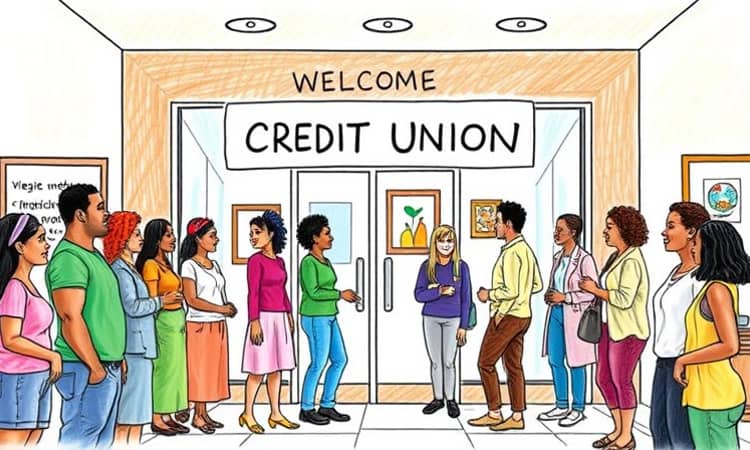
In an era where large financial institutions often prioritize shareholder profits, credit unions stand apart by embodying a model rooted in cooperative principles and community empowerment. Throughout this article, we will explore the defining characteristics, remarkable benefits, market performance, and inspirational examples of credit unions in 2025–2026. Our goal is to inspire readers with practical insights and showcase how these institutions drive meaningful, local impact.
Defining Credit Unions and Their Structure
Credit unions are member-owned financial cooperatives that operate as not-for-profit entities prioritizing members. Unlike traditional banks that answer to distant shareholders, every credit union member is also an owner. Through a democratic governance model, members elect board representatives to shape policy and ensure that the needs of the community remain front and center.
This structure translates into real benefits. Credit unions return profits directly to members in the form of higher savings dividends, lower loan rates, and minimal fees. Their mission extends beyond financial services to building healthier, more prosperous communities.
Serving Underserved Populations
One of the most inspiring facets of credit unions is their commitment to financial accessibility for low- and moderate-income communities. Specialized programs are designed to uplift individuals who may lack access to traditional banking services or credit options.
- Low-Income Credit Unions (LICUs): Offer secondary capital accounts, business loan exceptions, and participation in community lending programs.
- Community Development Credit Unions (CDCUs): Provide safe savings vehicles, financial education, and loans regardless of credit history.
- Account Access Services: Feature minimal balance requirements, small-dollar business loans, and tailored budgeting support.
Through these targeted efforts, credit unions foster financial stability, asset growth, and economic independence for those who need it most.
Personalized and Affordable Lending
At the heart of credit union lending is a relational approach. Staff take time to understand each member’s story, goals, and challenges, enabling personalized solutions for members’ unique needs. This translates to flexible loan structures and more inclusive underwriting criteria.
Members benefit from lower fees and interest rates on auto loans, home mortgages, HELOCs, and commercial financing. The trust built through ongoing interactions often means members receive guidance that extends beyond numbers on an application form, empowering them to make sound financial decisions.
- Mortgages with competitive rates and flexible down payment options.
- Auto loans featuring lower fees and shorter approval times.
- Home equity lines of credit (HELOCs) for renovations or emergency expenses.
- Commercial loans supporting small businesses and local entrepreneurs.
Empowering Members Through Financial Education
Credit unions embrace an educational mission alongside financial services. By equipping members with knowledge and tools, they foster long-term resilience and prosperity.
- Interactive workshops on budgeting, saving, and investing.
- One-on-one financial counseling sessions.
- Online and mobile budgeting tools with personalized alerts.
- Debt management strategies and consolidation guidance.
- Resources to understand credit scores and build strong credit histories.
This commitment to commitment to financial education and literacy ensures that credit union members can navigate complex financial landscapes with confidence.
Market Performance and Trends (2025–2026)
Credit unions have demonstrated resilient growth amid evolving economic conditions. Improved liquidity and lower rates fueled loan origination growth, while tighter margins and membership challenges underscore the need for strategic adaptation.
Other highlights include:
• Commercial lending up 11.6% and HELOC balances rising 16%, reflecting sustained borrower engagement. Auto loan balances dipped 2.3%, signaling rate sensitivity in that segment.
• Net income is poised for a rebound of 31.6%, driven by higher loan yields and disciplined cost management. Return on assets (ROA) is forecast to climb from 0.79% in 2025 to 0.85% by 2027.
Strategic Positioning and Future Challenges
As economic pressures mount, credit unions must leverage their cooperative advantage while embracing technological innovation. Relationship-based banking remains a cornerstone, but digital-first members demand seamless online experiences.
Key strategic imperatives include:
• Investing in robust IT infrastructure to improve deployment rates and member satisfaction.
• Deepening existing relationships through targeted financial wellness initiatives and community partnerships.
• Adapting to a broader definition of community, one that transcends geography and embraces shared values and interests.
By focusing on deepening existing community relationships and innovative service delivery, credit unions can navigate tightening margins and regulatory complexities.
Inspiring Success Stories
Across the nation, credit unions are celebrated for their community impact and innovative spirit. Vermont Federal Credit Union earned “Best of Business” honors for its unwavering member relationships in Addison, Franklin, and Grand Isle counties.
Community 1st Credit Union stands out for its robust financial literacy programs, helping thousands of members gain confidence in money management and secure affordable loans despite challenging credit backgrounds.
These stories illuminate how credit unions transform lives through dedication, empathy, and a steadfast commitment to local prosperity.
Conclusion: Embracing Cooperative Strength
Credit unions represent a powerful alternative to traditional banking, guided by cooperative values and driven by community well-being. By offering inclusive services, fostering financial education, and reinvesting profits locally, they spark economic growth and social uplift.
Whether you are seeking affordable credit, deeper financial insight, or a partner committed to your success, credit unions stand ready to empower you. Embrace this model of community-focused lending and become part of a movement that champions your financial well-being and collective future.