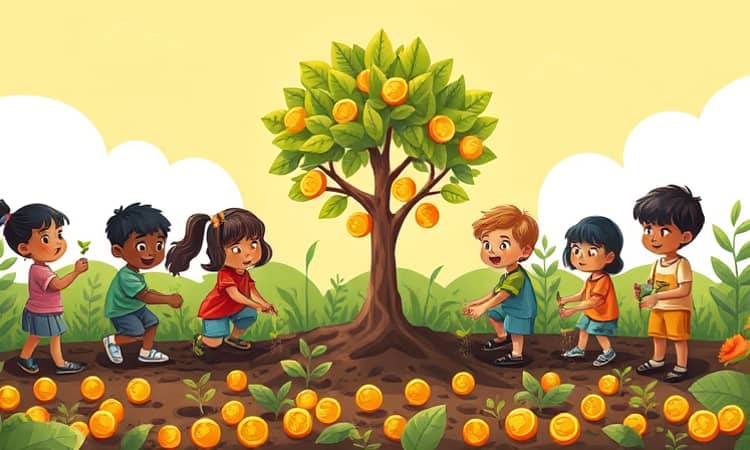
Today's youth navigate a complex financial landscape with mounting pressures from debt, high interest rates, and uncertain retirement planning. With 42% of teens reporting fear about their financial futures and 68% believing that saving for retirement can wait, there is a pressing need to equip children with practical money skills from the earliest stages of development.
By integrating engaging, age-appropriate lessons from Pre-K through high school, we can cultivate in every child a sense of lifelong financial confidence and autonomy. This article explores strategies, programs, and real-world data demonstrating the powerful impact of early financial education.
Why Early Financial Education Matters
Personal finance classes in high school saw a jump to 45% participation in 2025, up from just 31% in 2024. Among those students, 64% found the coursework helpful. Yet persistent myths endure: 43% of teens think an 18% interest rate on debt is manageable without worry, and 80% misunderstand FICO scores. Without timely instruction, these misconceptions can harden into lifelong habits that hinder wealth building.
Research indicates that a 12-week personal finance training transforms student behavior: before the course, only 1% could create and follow a budget successfully; afterward, over 50% did so. School mandates in Georgia, Idaho, and Texas have led to average credit score improvements between 10.9 and 31.7 points. Strong early education not only changes individual outcomes but also sparks a ripple effect, enhancing parents’ knowledge as students share lessons at home.
Building Blocks from Pre-K to Elementary
The foundation for sound money management begins well before high school. In Pre-K and elementary grades, educators and parents can weave basic financial concepts into daily activities and social studies lessons. All 50 states and DC include economics standards, offering a platform to introduce:
- Needs vs. wants: distinguishing essentials from extras
- Saving strategies: simple piggy-bank exercises
- Basic budgeting: allocating tokens for choices
By presenting these ideas through stories, games, and hands-on activities, young children develop an intuitive sense of value and money mindset aligned with real life. Early exposure normalizes financial conversations, making them as routine as reading and math.
Middle and High School: Deepening Understanding
As students mature, curricula must expand to include core personal finance topics. Evidence-based programs like Junior Achievement’s multi-year courses and Intuit’s standards-driven lessons have demonstrated significant gains in knowledge, attitudes, and behaviors. Key concepts for middle and high school include:
- Budgeting essentials: tracking income and expenses
- Debt and interest: understanding credit card APRs and loans
- Credit scores: exploring FICO factors and management
- Investing basics: compounding, stocks, and retirement planning
Mandating a personal finance course for graduation has proven effective. In states requiring such classes, student credit scores rose dramatically, and students reported higher confidence when making saving and spending decisions. Schools that implemented 16–32 hours of targeted instruction saw the greatest improvements in exam scores and real-world money habits.
Practical Strategies for Parents and Educators
Parents and teachers play complementary roles in reinforcing financial lessons. While schools deliver structured content, family discussions and practical experiences cement learning. To maximize impact, consider implementing these approaches:
- Regular money talks: discuss allowances, savings goals, and spending choices
- Youth bank accounts: encourage automatic transfers and tracking
- Side hustles: promote entrepreneurial activities like pet care or tutoring
- Hands-on simulations: hands-on simulations like budget parks reinforce real-world decision-making
Training for teachers is equally critical. Evidence suggests that educators who receive 16–32 hours of professional development deliver more engaging, accurate lessons. Schools should prioritize well-supported, interactive curricula over generic online modules to drive meaningful change.
Overcoming Challenges and Gaps
Despite progress, access remains uneven. While Utah and Virginia boast 100% access to personal finance courses, 12 states have fewer than 5% of students enrolled. Low-income students continue to lag: only 3% achieve high performance in financial literacy versus 45% of high-income peers. Addressing these disparities requires coordinated action at state and local levels.
A look at state mandates illustrates the pace of change and impact on student outcomes:
These data underscore the necessity of widespread, fully implemented programs to bridge socioeconomic and knowledge gaps.
Long-Term Benefits and Equity
Financially literate youth grow into adults who budget effectively, avoid unmanageable debt, and invest for the future. Studies show bank account holders score 42 points higher on financial tests, and students trained in personal finance exhibit more autonomy in money decisions. When young people share what they learn, parents benefit too—thousands of families report improved household budgeting after children complete structured lessons.
By ensuring equitable access to quality education, we can break cycles of financial insecurity and empower all students to pursue their dreams without fear of money-related obstacles.
Call to Action
We stand at a pivotal moment: 29 states now mandate personal finance for graduation, yet many gaps remain. Parents, educators, and policymakers must advocate for early, consistent, and evidence-based instruction. Schools should integrate personal finance across K-12, train teachers effectively, and partner with programs that deliver measurable results.
Every child deserves the tools to navigate tomorrow's financial world with confidence. By sowing the seeds of financial literacy early, we cultivate informed, resilient adults ready to thrive. Let us commit today to nurturing the next generation of money-smart leaders—for their future and ours.