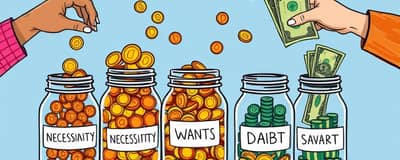
We all know the feeling: a looming bill, an unopened retirement statement, or a savings plan left untouched. Yet few of us realize the true price of postponing these critical tasks. Recent research shows that chronic procrastinators incur a median loss of $300 annually, but the impact goes far deeper than finances.
This article explores how procrastination sabotages your economic well-being and offers practical strategies to break the cycle.
Prevalence and Impact of Financial Procrastination
Procrastination isn’t a rare quirk. Studies across six countries report that 15–20% of adults consistently delay important tasks. Among students, rates nearly double or triple, with 50% facing chronic delays.
Beyond the stress and missed deadlines, financial procrastinators face:
- Late bill payments leading to fees and credit hits
- Deferred savings that compound interest lost
- Postponed retirement contributions shrinking retirement nests
These behaviors correlate strongly with poor financial outcomes: an irrational procrastination scale links to personal financial problems with r = 0.34, and delays in saving reduce self-efficacy by r = -0.38.
Psychological Mechanisms Behind Delay
Procrastination thrives on a battle between present desires and future needs. Researchers identify two core drivers:
Present-biased preferences: the urge for instant gratification undermines long-term goals. A low discount factor (δ) predicts lower wealth accumulation because delaying contributions compounds losses.
Lower financial self-efficacy: procrastinators doubt their ability to manage money, creating a self-fulfilling prophecy where avoidance leads to worse outcomes, reinforcing the cycle.
These forces combine into a “negative spiral”: limited resources drive short-term decisions, procrastination deepens shortages, and feelings of helplessness mount.
Quantified Financial Costs
When procrastination delays your actions, the numbers paint a stark picture:
Even small delays accumulate over decades. Putting off retirement saving from age 35 to 40 slashes your nest egg by nearly 25%. Late bill payments and impulse purchases driven by stress add further financial strain.
Real-World Stories of Costly Delay
Consider Maria, a young professional who kept delaying setting up her automatic savings plan. Each month she told herself, ‘Next week.’ Five years later, she realized her balance was 20% below her target, missing out on thousands in compound growth.
Or James, who avoided estate planning paperwork. When a health crisis struck, his family struggled with legal fees and uncertainty, magnifying stress and costs. These stories illustrate how small procrastination habits can snowball into major life challenges.
Strategies to Overcome Financial Procrastination
Breaking free requires addressing both mindset and habits. Below are practical steps to regain control:
- Set micro-goals: Break tasks into 10-minute actions to lower activation energy.
- Automate decisions: Use auto-enrollment for savings and bills to bypass choice paralysis.
- Boost self-efficacy: Track small wins in a finance journal to build confidence.
- Leverage accountability: Partner with a friend or advisor to review progress regularly.
By creating momentum through tiny, consistent steps, you rewrite the script from avoidance to empowerment.
Maintaining Progress Through Life’s Shocks
Life events—job loss, health emergencies, divorce—affect more than 50% of individuals and can derail even the best plans. Yet procrastination magnifies these shocks. To stay resilient:
Maintain an emergency fund to buffer financial shocks and prevent decision paralysis.
Regularly revisit goals after major changes, adjusting timelines and expectations.
Conclusion: Time Is Money—Literally
Procrastination may feel harmless in the moment, but its costs accumulate relentlessly. Every delayed decision chips away at your financial security and well-being. By understanding the psychological traps and applying targeted strategies, you can transform avoidance into action.
Remember, each small step—opening that retirement statement, automating a bill payment, setting aside five dollars—pushes you closer to a future of stability and freedom. Don’t let procrastination rob you of your financial potential. Start today, and let timely action pave the way for lasting prosperity.