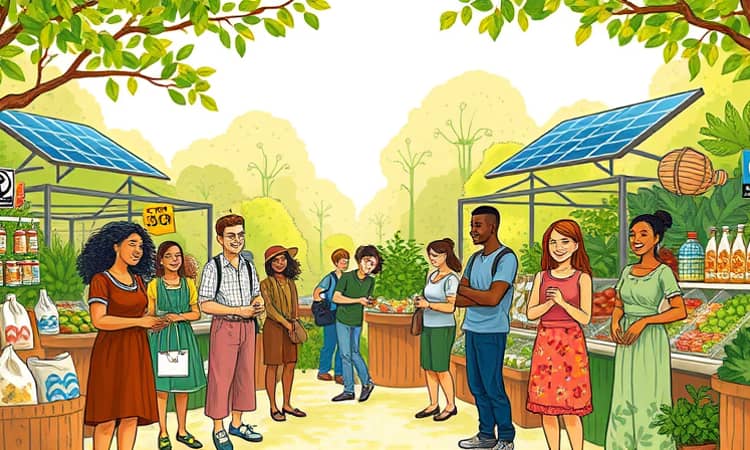
Every dollar we spend carries more weight than its numeric value. In a world grappling with climate change, social inequality, and economic volatility, the simple act of purchasing has become a powerful tool for change. Voting with your money is no longer a metaphor but a practical approach to shaping the world.
Conscious consumerism challenges us to look beyond price tags and marketing slogans. By evaluating the full lifecycle of products—from sourcing and manufacturing to distribution and disposal—we gain the power to support justice, sustainability, and equity. This article explores the history, impact, practical tips, and ethical dimensions of this movement.
Understanding Conscious Consumerism
At its core, conscious consumerism—also called ethical or green consumerism—involves making informed choices. Consumers research sourcing practices, labor conditions, and environmental footprints before deciding which brands deserve their loyalty. This approach turns everyday purchases into statements of positive social and environmental outcomes.
The principle is straightforward: spend intentionally to reward responsible brands and boycott those that harm people or the planet. Over time, aggregated consumer decisions send powerful market signals, compelling companies to adopt more transparent, fair, and sustainable practices.
Historical Roots and Evolution
The concept of conscious consumerism emerged prominently in 1972, describing socially responsible buyers who expressed values through their shopping habits. Early boycotts targeted companies with exploitative labor or destructive environmental practices, laying the groundwork for modern campaigns.
The 1990s saw the rise of Fair Trade initiatives, demanding transparency in cocoa, coffee, and cotton industries. Today, post-pandemic shifts have accelerated the trend: home kitchens turned into workshops for self-sufficiency, and digital tools made research on brands ubiquitous. The result is a movement that has grown exponentially since the 1970s.
Quantifying Impact: Key Statistics
Numbers underscore the momentum behind ethical spending. A majority of consumers are willing to pay a premium for products that align with their values, and sustainable goods often outpace conventional ones in growth.
These figures illustrate a clear trend: ethical products command a growing share of market growth. Younger generations, in particular, drive this demand, reflecting their commitment to transparency and impact.
The Multifaceted Benefits of Ethical Spending
- Reduces environmental waste by promoting durable goods and recycling.
- Supports fair labor practices and empowers marginalized communities.
- Drives innovation toward renewable resources and circular design.
- Aligns personal values with daily habits, fostering mindfulness.
Beyond these concrete outcomes, conscious consumerism cultivates a sense of agency. When we know our purchases can spark change, we become more engaged citizens and caretakers of the planet.
Practical Tips for Embracing Conscious Consumerism
- Buy less and prioritize quality, choosing durable over disposable products.
- Maintain and repair items to extend their lifespan.
- Research certifications—Fair Trade, B Corp, organic, or carbon-neutral labels.
- Support local artisans and small producers to boost community economies.
- Adopt zero-waste habits like batch cooking and reusable containers.
Starting small makes the journey manageable. Audit your buying patterns, then set simple goals—such as choosing one ethical brand each week. Gradual shifts build confidence and lasting behavior change.
Navigating Current Trends and Challenges
Despite economic pressures—rising costs, job insecurity, and a K-shaped recovery—sustainability behaviors remain resilient. Many households continue to recycle, reduce single-use plastics, and invest in energy-efficient appliances.
However, challenges persist. Over 60% of consumers still prioritize affordability, and greenwashing risks can erode trust. Brands must back ethical claims with transparent data to maintain credibility in a skeptical market.
Ethical Reflections: Money as a Moral Instrument
Viewing money as a vote elevates everyday spending to an act of moral agency. Each purchase either endorses environmental stewardship and human rights or perpetuates harmful practices. This perspective transforms routine transactions into opportunities for civic engagement.
Critics argue that market-based activism can oversimplify complex social issues. Indeed, conscious consumerism is not a cure-all, but it offers a scalable, participatory route to reduce harm. When combined with policy advocacy and community organizing, ethical spending becomes part of a holistic strategy for justice.
Conclusion: Cultivating Lasting Change
Conscious consumerism is more than a trend—it’s a movement grounded in the belief that everyday actions shape collective futures. By choosing products that reflect our values, we wield tangible influence over corporate behavior and global supply chains.
Embrace your role as an ethical spender. Research brands, weigh impacts, and remember that every purchase casts a vote for the world you want. Empowered by informed choices, we can nurture sustainability, equity, and shared prosperity for all.