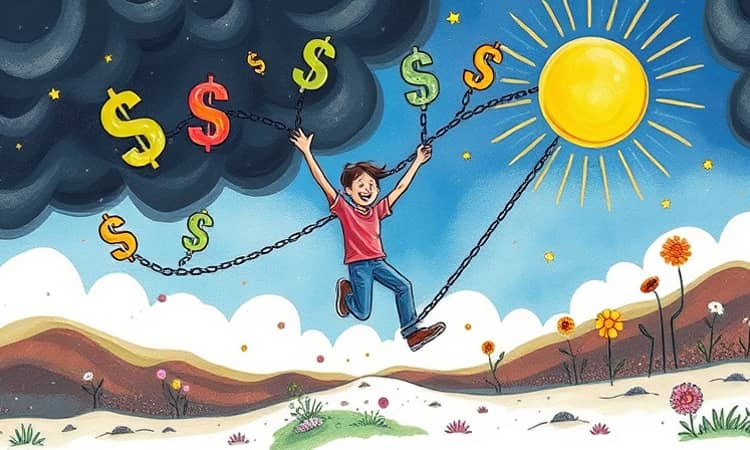
Debt is more than a financial obligation—it can become a burden on our minds, our emotions, and our very sense of self. As modern life weaves complex demands around us, the invisible chains of borrowing can tighten, leading to stress, shame, and a feeling of powerlessness. Yet understanding the psychological forces at work can empower us to break unhealthy patterns and reclaim control.
In this comprehensive exploration, we delve into the latest research on how debt shapes our psychology, assess the toll on mental health, and offer practical strategies for transformation. By the end, you will be equipped with actionable insights to start dissolving financial stress and build lasting resilience.
How We Perceive Borrowed Money
At the heart of reckless borrowing lies psychological ownership of debt. Studies show that consumers assign a lower sense of ownership to borrowed funds compared to their own savings, making them more willing to take on additional obligations.1 When money doesn’t feel like “ours,” aversion to debt diminishes, fueling a cycle of new loans and rising balances.
Researchers measured this phenomenon on a nine-point scale. With an average ownership score of just 3.30, many borrowers treat credit like a disposable resource rather than a commitment to repay. Yet reframing debt with language that emphasizes personal responsibility can curb this tendency. Simply referring to borrowed funds as “your balance” instead of “available credit” has been shown to reduce impulsive borrowing by shifting the frame of reference.
The Emotional Toll: Stress, Shame, and Suicidal Thoughts
Debt doesn’t live in a spreadsheet—it resides in our heads and hearts. High levels of debt correlate with a significant rise in psychological distress:
- Stress symptoms increase by 11.7% compared to those with lower debt burdens.
- Depressive symptoms jump by 13.2% among highly indebted individuals.
- In arrears? 69% experience anxiety versus 42% of people up-to-date on payments.
- Half of those in severe debt have reported suicidal thoughts, accompanied by dread when creditors call.
These statistics reveal how numbers on a statement can translate into real suffering. Harassment from creditors, sleepless nights, and persistent self-blame undermine both mental and physical health, making recovery feel out of reach.
Personality Traits and Impulsive Spending
Not all debt trajectories are the same. Personality shapes our financial habits:
- Impulsivity drives snap decisions—buy now, regret later.
- Neuroticism leads to retail therapy as a coping mechanism.
- Extraversion can spur social spending to bolster one’s image.
- Conscientiousness emerges as a protective factor, aiding timely repayments.
Moreover, present bias and urgency make instant gratification more tempting than long-term stability. Recognizing these impulses allows us to install guardrails—like delayed purchase windows or automatic savings transfers—to weaken the pull of momentary desires.
Debt Structure and Cognitive Burden
It’s not just the amount, but the structure of debt that matters. Owning multiple accounts heightens cognitive load, a phenomenon known as the “bandwidth tax.” Each open line of credit occupies mental space, draining focus and increasing anxiety.
Research reveals that eliminating one small account yields measurable gains:
By consolidating or closing accounts strategically, borrowers can lighten this mental load and free up bandwidth for planning and positive action.
Long-Term Health and Quality of Life
Longitudinal studies spanning 2011–2021 confirm that debt influences more than our spending. It mediates stress, fuels compensatory consumption, and ultimately undermines life satisfaction. American households now carry over $17.3 trillion in consumer debt, averaging around $105,000 each.
High debt-to-asset ratios also predict worse physical health, including higher blood pressure readings. In essence, the financial strain seeps into every corner of our wellbeing.
Breaking Free: Mindset Shifts and Habits
Recovery begins in the mind. Cultivating a growth mindset and reframing challenges as opportunities can spark momentum:
- Use cognitive restructuring techniques to challenge self-defeating thoughts: “I’m overwhelmed” ➔ “I can make progress step by step.”
- Practice mindfulness around spending triggers: pause, breathe, and reflect before swiping.
- Employ mental accounting by targeting small balances first—the “snowball” approach builds confidence with each payoff.
By celebrating incremental victories, even minor wins reinforce positive behavior, combatting feelings of helplessness and shame.
Tools and Resources for Financial Resilience
Beyond mindset, practical systems support sustainable change:
- Automated budgeting apps that categorize expenses and track progress.
- Debt consolidation or renegotiation programs to simplify payments.
- Educational resources on interest rates, repayment strategies, and consumer rights.
- Social support networks or coaching to share experiences and encouragement.
These tools act as scaffolding, empowering individuals to regain control and steadily climb out of the debt spiral.
Conclusion: Toward a Future of Financial Empowerment
Debt need not be a life sentence. By understanding the psychological forces that drive borrowing and amplify distress, we can implement strategies that restore agency. From reframing language to celebrating small successes, each step chips away at the burden.
Remember, true freedom comes not just from erasing numbers on a page, but from regaining peace of mind and building resilience. With empathy for ourselves and practical action, we can break free from old habits and stride toward a brighter, more empowered financial future.