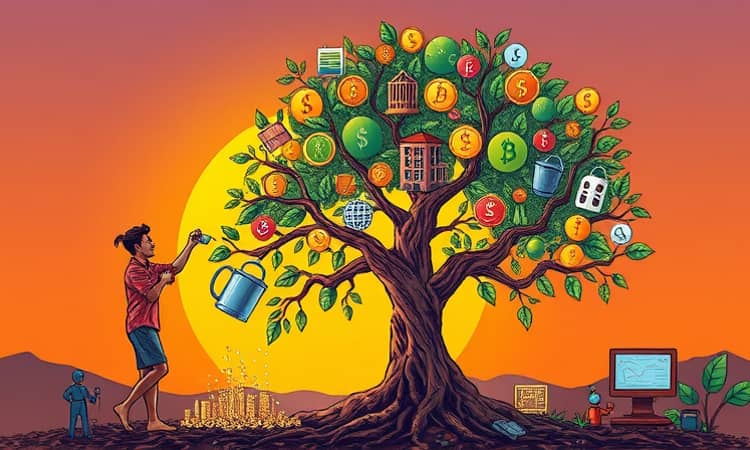
In the ever-evolving landscape of 2026, investors are seeking innovative ways to build and preserve wealth. By understanding the power of alternative assets, private markets, and forward-looking diversification, you can transform complexity into opportunity.
Embracing Private Markets for Robust Growth
As traditional public markets face volatility and uncertain returns, private markets have emerged from niche corners into the mainstream. Investors now recognize that private equity, secondaries, and private credit can deliver lower volatility and equity-like returns historically reserved for large institutions.
With the rise of the European Long-Term Investment Fund (ELTIF) and similar vehicles, retail and institutional participants alike gain access to steady yields and inflation-hedged assets that complement public equities and bonds. A disciplined approach to underwriting, manager selection, and liquidity management is vital to unlocking these complexity premiums.
Expanding Horizons with Tokenization and AI Infrastructure
The fusion of finance and technology continues to reshape wealth creation. Tokenization platforms are democratizing access to previously illiquid real estate, infrastructure, and private equity by turning ownership interests into digital assets. This shift promises enhanced liquidity and fractional investment opportunities on a global scale.
Simultaneously, the AI revolution is accelerating demand for specialized infrastructure. From renewable energy systems to advanced robotics, sectors adopting machine learning and automation are poised for outsize growth. Strategic exposure to AI-powered industries can yield outsized returns and serve as a hedge against stagnant sectors.
Prominent Opportunities in 2026
- Private Markets Diversification: Access via secondaries, fund finance, and direct deals.
- AI Infrastructure and Automation: Energy systems, data centers, robotics, and semiconductors.
- Digital Asset Tokenization: Real estate, private equity, and infrastructure listings on blockchain.
- Commodities and Precious Metals: Copper, aluminium, gold, and silver as non-correlated hedges.
Crafting Resilient Diversification Strategies
True diversification extends beyond simply holding stocks and bonds. It requires allocations across geographies, industries, and risk profiles. By blending strategic and tactical approaches, investors can capture opportunities while managing volatility.
A core-satellite model—anchoring portfolios in broad market indices while allocating satellites to high-growth or alternative sectors—remains a time-tested framework. Meanwhile, integrated models that adjust weightings based on economic indicators provide agility in rapidly shifting conditions.
Key Asset Allocation Frameworks
- Strategic Mix: Fixed allocations (e.g., 60% equities, 30% bonds, 10% cash) with periodic rebalancing.
- Tactical Tilt: Short-term overweight positions in sectors like technology or AI.
- Core-Satellite Blend: Stable index funds at the core, specialized themes at the periphery.
- Risk Based Mix: Customized by volatility targets and investor risk tolerance.
Sample Portfolio Splits by Risk Level
Wealth Management Trends Shaping 2026
- AI-Driven Personalization: Real-time portfolio analysis and tailored advice via chatbots.
- Open Finance Ecosystems: Banking and investment data integration through APIs.
- Intergenerational Transfers: €3.5 trillion shifting wealth in Europe over five years.
- Tax-Efficient Strategies: Charitable bunching, gifting, and tax-loss harvesting to optimize returns.
Mitigating Risks and Embracing Best Practices
Even the most promising strategies carry risks. Illiquidity in private assets, valuation resets in AI sectors, and geopolitical shocks can unsettle markets. Successful investors employ disciplined underwriting, rigorous due diligence, and proactive rebalancing to safeguard portfolios.
Emphasizing income-generating assets—such as dividend equities, private credit, and infrastructure—can offset low cash yields and anchor returns during downturns. Incorporating structured solutions and ETFs for niche exposures provides transparency and flexibility.
A Roadmap to Sustainable Wealth Creation
By harnessing the potential of private markets, tokenization, and strategic diversification, investors can build resilient portfolios designed for 2026 and beyond. Prioritize alignment with personal goals, risk tolerance, and time horizons. Continual education, access to expert managers, and agile decision-making will unlock value across market cycles.
Ultimately, wealth generation is not a one-time event but a journey of adaptation and foresight. Embrace forward-looking asset allocation principles, leverage technology for deeper insights, and remain committed to a disciplined process. In doing so, you will transform complexity into confidence, and potential into prosperity.