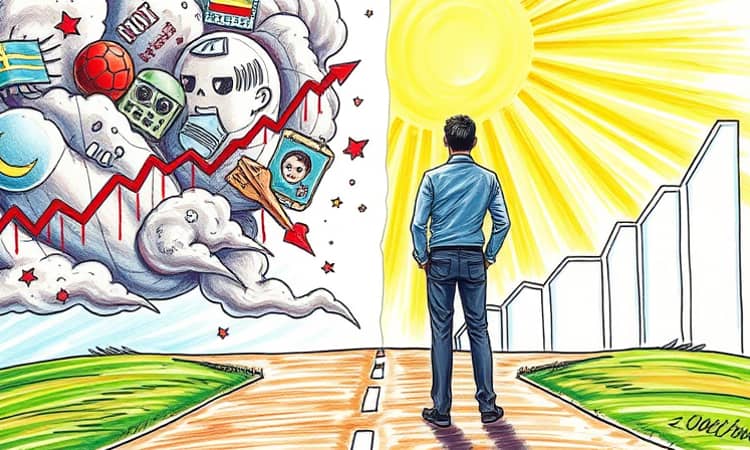
Every investor faces moments of doubt, excitement, and fear. When emotions take the wheel, even the most seasoned market participants can stray from rational choices. Understanding our inner decision-making processes can transform confusion into clarity and uncertainty into opportunity.
This article explores the key psychological biases that derail investment strategies, offers real-world lessons from market history, and provides practical steps to build a resilient, disciplined mindset. By recognizing and counteracting these invisible forces, you’ll be poised to avoid common pitfalls and pursue long-term success.
Understanding Behavioral Finance
Behavioral finance blends economics, psychology, and biology to reveal how emotions and cognitive biases shape financial decisions. Unlike traditional models that assume purely rational actors, this field uncovers why investors often act against their own best interests.
Researchers like Daniel Kahneman and Amos Tversky showed that people avoid losses at all costs, misinterpret new data, and seek comforting confirmation rather than objective truth. These tendencies can generate emotion-driven market distortions, fueling bubbles, crashes, and suboptimal portfolios.
By embracing this knowledge, investors can build strategies that acknowledge—rather than ignore—human nature.
Core Investment Traps to Recognize
This table highlights five traps that frequently blindside investors. Recognizing them is the first step in building emotional self-awareness and creating resilient portfolios.
Real-World Lessons from Market History
History offers vivid examples of behavioral distortions on a grand scale. Learn from these cautionary tales to avoid repeating their mistakes.
- Tulip Mania (1600s): A classic herd-driven bubble where rare tulip bulbs sold for exorbitant prices before collapsing.
- Dotcom Bubble (late 1990s): Investors fueled by irrational exuberance drove unprofitable tech companies skyward, only to face massive losses.
- GameStop Rally (2021): Social media–driven FOMO and herd behavior caused wild price swings disconnected from fundamentals.
- COVID-19 Crash (March 2020): Panic-selling amid uncertainty, followed by a rapid rebound, illustrated panic-driven market reactions.
In each scenario, emotional forces overwhelmed logical analysis. By studying these events, modern investors can develop guardrails against similar extremes.
Strategies to Avoid Common Biases
- Create and adhere to a written, long-term financial plan with clear objectives and time horizons.
- Diversify across asset classes and geographies to mitigate concentrated risk.
- Automate contributions and rebalancing to remove emotional timing decisions.
- Conduct regular portfolio reviews, challenging each position based on new data rather than past anchors.
- Keep an investment journal to track decisions, emotions, and lessons learned over time.
These practical steps can transform reactive, emotion-driven habits into structured, disciplined practices that endure market turbulence.
Building a Disciplined Investor Mindset
Developing mental resilience is as important as technical analysis. Investors who cultivate self-awareness and humility can recognize when biases are influencing their choices.
Consider the following approaches:
- Practice mindfulness techniques to observe emotional impulses without acting on them.
- Set predefined rules for entry and exit points, reducing the need for split-second judgment calls.
- Engage with a trusted advisor or peer group to provide external checks and balances.
Over time, these habits foster confidence, reduce stress, and enhance decision quality. By learning to resist short-term emotional impulses, investors stand a better chance of capturing long-term gains.
Conclusion: Charting Your Financial Course
Behavioral finance reveals that the greatest obstacles to success are often within ourselves. By understanding biases, studying historical missteps, and implementing clear strategies, you can convert emotional risk into strategic advantage.
Remember, investing is not a sprint but a marathon. Embrace disciplined habits, cultivate a disciplined investor mindset, and stay focused on your long-term vision. With awareness and preparation, you’ll navigate market storms with confidence and purpose.