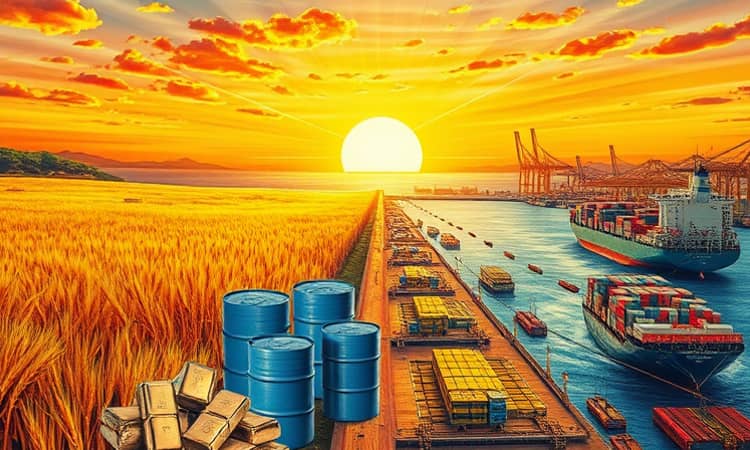
Commodities trading offers a gateway to real assets and dynamic markets. From golden fields of wheat to shimmering ingots of copper, these fundamental goods drive economies and global trade. While stocks and bonds promise dividends and interest, commodities deliver pure exposure to supply and demand, price volatility, and tangible value.
Understanding Commodity Markets
Commodity markets encompass the buying, selling, sourcing, transporting, storing, and transforming of raw materials. They are divided into hard commodities like metals and energy and soft commodities such as agricultural products. Primary commodities emerge directly from nature—crude oil, iron ore, coffee beans—while secondary commodities are processed from primaries, like gasoline refined from crude. Trading happens in both spot markets with immediate delivery and financial markets through futures and options, allowing participants to hedge risk or speculate without physical exchange.
The fundamental driver of commodity valuation is the perpetual balance of supply and demand. Factors such as geopolitical tensions, weather patterns, and global growth forecasts can send prices soaring or plunging overnight. This volatility, while challenging, presents opportunities for disciplined traders and long-term investors alike.
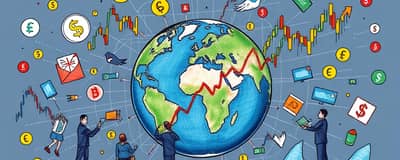
Global commodity exchanges such as the Chicago Mercantile Exchange, London Metal Exchange, and Intercontinental Exchange facilitate price discovery across time zones. They standardize contract sizes, delivery terms, and quality specifications, ensuring transparency and liquidity. For physical traders, logistics involve chartering bulk carriers, pipelines, and storage facilities that connect producers and consumers worldwide.
Types of Commodities
- Hard Commodities: gold, silver, copper, aluminum, oil, natural gas
- Soft Commodities: wheat, corn, soybeans, sugar, coffee, cotton
Each category offers unique characteristics. Energy commodities like oil and natural gas power industries and households, while precious metals such as gold often act as a store of value in turbulent times. Agricultural products, on the other hand, are seasonal and depend heavily on planting cycles and weather conditions. Understanding these distinctions helps investors choose the right instruments and timing.
Trading Mechanics: Spot and Futures
Spot markets reflect current supply and demand with immediate physical delivery. Futures markets, in contrast, allow parties to agree on price and quantity for future delivery. Most futures contracts are cash-settled or closed out before delivery, providing a flexible mechanism to hedge or speculate on price movements.
The pricing of futures contracts involves three components: the spot return, the roll return—which captures the difference between near- and far-term contract prices—and the collateral return, tied to risk-free rates. This concept, known as total futures return and theory of storage, explains why holding inventory or rolling futures positions can be profitable or costly depending on market conditions.
In a contango market, distant futures trade at a premium to spot, leading to negative roll yields when contracts are rolled forward. Backwardation, conversely, offers positive roll yield as near-term prices exceed distant ones. Recognizing these term structure patterns is essential for constructing effective commodity strategies.
Valuation and Historical Performance
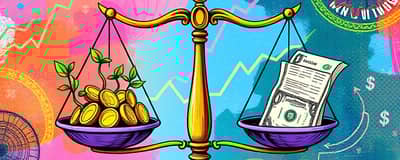
Unlike stocks, which derive value from discounted future cash flows and dividends, and bonds, which pay fixed interest, commodities produce no intrinsic cash flow. Their returns are driven by cyclical price changes without a predictable upward drift. Historical data spanning over two centuries shows alternating regimes of outperformance: commodities sometimes lead equities, sometimes lag behind.
This low correlation makes commodities an attractive tactical tool to diversify a traditional 60/40 portfolio, though they are not ideal for buy-and-hold investors. Understanding past regimes helps investors adapt to changing market dynamics and economic cycles.
Participants and Investment Vehicles
- Hedgers: producers and consumers managing price risk
- Speculators: traders betting on price movements
- Arbitrageurs: those exploiting price discrepancies
- Intermediaries: traders, brokers, exchanges, and clearinghouses
Investors can access commodities directly through futures and options, though these instruments carry complexities such as margin requirements, roll yields, and no physical delivery for most traders. Indirect exposure comes from commodity ETFs, mutual funds, and shares of producers, which offer the advantage of dividends, greater liquidity, and simpler portfolio integration.
Weighing Benefits and Risks
Benefits of commodities include inflation hedging, portfolio diversification, and the ability to capitalize on global supply-demand imbalances. When traditional markets falter, commodities often respond differently, offering alternative performance drivers and reducing overall volatility risk.
Risks are pronounced: extreme price swings from weather events, geopolitical unrest, and shifting regulations can erode capital quickly. Lack of yield means investors rely entirely on capital appreciation, and futures contracts carry roll-over and storage cost dynamics that may dilute returns over time if not managed properly.
Practical Strategies for Investors
- Define clear objectives for commodities in your portfolio
- Use position sizing and stop-loss orders to manage downside
- Consider diversified commodity indices or blended ETFs
- Monitor roll yields and term structure for futures contracts
- Balance risk and reward through regular portfolio reviews
Start small, build experience, and remain disciplined. Track global inventory levels, currency movements, and economic indicators to anticipate shifts. By combining fundamental research with technical analysis, investors can better navigate market volatility and capture opportunities across cycles.
Looking Ahead: The Future of Commodity Trading
As the global economy evolves with energy transitions, digital agriculture, and supply-chain innovations, commodity markets will remain at the forefront of economic activity. Emerging trends, such as carbon credits and renewable energy metals, are expanding the scope of primary goods. For investors, staying informed about emerging commodity sectors and regulatory changes will be crucial.
Ultimately, commodities trading is not just about chasing prices; it is about understanding the physical world that powers civilization. With thoughtful strategies, diligent risk management, and a long-term outlook, commodities can become a compelling complement to traditional financial assets.
Embrace the dynamic nature of commodities markets and integrate them into your portfolio with confidence, knowledge, and patience. By doing so, you position yourself to benefit from the fundamental forces that shape our world’s economies and resources.