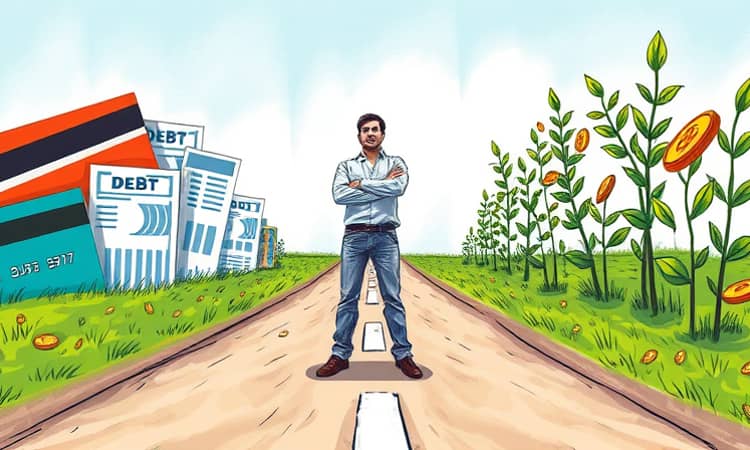
In today’s complex financial landscape, borrowing can feel like a double-edged sword. Yet, when managed thoughtfully, debt transforms into a powerful tool for building opportunity and long-term stability. This guide will equip you with the insights and practical tactics needed to harness borrowing for positive growth rather than perpetual stress.
We will explore proven payoff strategies, consolidation options, budgeting frameworks, everyday savings tactics, emerging delinquency trends, goal-setting models, and a systemic outlook—all designed to inspire confidence and action.
Comparing Debt Payoff Strategies
Two of the most celebrated approaches for reducing balances are the Debt Snowball and the Debt Avalanche. Each method carries unique strengths, and understanding them helps you choose the one best aligned with your goals and temperament.
Debt Snowball Method: Focus on the smallest balances first while maintaining minimum payments on other debts. This approach allows you to see quick wins, fueling motivation as you eliminate accounts one by one. However, it may cost more in interest over the long term than alternative methods.
Debt Avalanche Method: Prioritize debts with the highest interest rates to minimize the total interest paid. Although it can take longer to wipe out your first balance, the Avalanche often saves more money overall, making it ideal for those comfortable with delayed gratification.
Debt Consolidation: Options and Considerations
When juggling multiple debts, consolidation can streamline payments and reduce overall cost—if chosen with care. Below are common consolidation vehicles and critical factors to weigh:
- Balance transfer credit cards with introductory 0% APR offers, ideal for revolving credit if you can clear balances before the promotional period ends.
- Personal loans with
lower fixed interest rates, offering predictable monthly payments and a set payoff timeline. - Home equity loans or lines of credit, leveraging property value—but beware of collateral risks if markets shift.
Before you consolidate, assess fees and repayment terms, confirm that promotional rates won’t spike unexpectedly, and ensure your spending habits stay disciplined to avoid new debts.
Building a Future-Proof Budget
Without a solid budget, even the best payoff plans can falter. The classic 50/30/20 rule remains a reliable starting point, allocating net income as follows:
- 50% for essentials (housing, utilities, transportation, minimum debt payments)
- 30% for discretionary spending (dining out, entertainment, hobbies)
- 20% for savings and extra debt payments
To tailor this framework:
Break expenses into “needs” and “wants,” then prioritize debt payments under essentials. Employ budgeting apps that offerautomated transaction categorization to eliminate manual tracking and help you see the impact of small habits over time.
Smart Habits for Everyday Savings
Sustainable progress depends on continuously uncovering small wins. Consider these tactics:
- Bill reduction strategies: Negotiate service rates for phone, insurance, or gym memberships. A five-minute call can shave significant amounts off monthly statements.
- Subscription management: Audit streaming, software, and magazine subscriptions quarterly. Remove saved cards from browser autofill to add friction before impulse renewals.
- Grocery planning: Meal prep and shop with a list. High food prices magnify the payoff of intentional planning.
- Emergency fund optimization: Shift cash from low-yield checking accounts into high-yield savings to guard against inflation erosion.
Navigating Delinquencies and Emerging Trends
As of early 2026, U.S. households face elevated delinquency rates, marking the highest levels since 2012. It’s crucial to recognize warning signs and address potential issues before they escalate:
Unsecured debts often slip first when budgets tighten. Creditors now deploy automated outreach from day one, employ risk segmentation and digital payment paths, and increasingly favor secured or federal debts in repayment prioritization.
If you foresee trouble, contact lenders proactively. Many offer hardship programs, temporary forbearance, or modified payment plans that can prevent derogatory marks on your credit file.
Setting and Achieving Financial Goals
Adopting the SMART framework ensures your objectives are:
Specific: Define explicit targets (“Save $5,000 in a high-yield account”).
Measurable: Track monthly progress using statements or budgeting apps.
Achievable: Align goals with your income and cash-flow capacities.
Relevant: Ensure objectives support your broader vision, whether buying a home, funding education, or retiring early.
Time-bound: Set clear deadlines to maintain urgency and focus.
Embracing a Systemic Approach
Smart debt management doesn’t exist in isolation—it’s one piece of a holistic financial ecosystem. To forge lasting change, consider:
By embedding these practices into daily routines, you cultivate enduring financial discipline and resilience, ready to adapt to economic shifts and personal life changes.
Conclusion
Transforming debt from a burden to a strategic asset requires knowledge, planning, and relentless commitment. By selecting the payoff method that resonates with your personality, leveraging consolidation tools responsibly, building a robust budget, and adopting cost-saving habits, you’ll steadily rebuild control over your finances.
Keep pace with emerging market conditions and delinquency trends by engaging proactively with creditors and adopting digital solutions. Set SMART goals that anchor your efforts, and recognize that real financial freedom is born from a systemic approach rooted in structure, habit, and informed decision-making.
Your journey to financial empowerment begins with a single step: make borrowing work for you rather than against you. Start today, stay consistent, and watch how smart debt can unlock new opportunities for growth, security, and lasting peace of mind.